
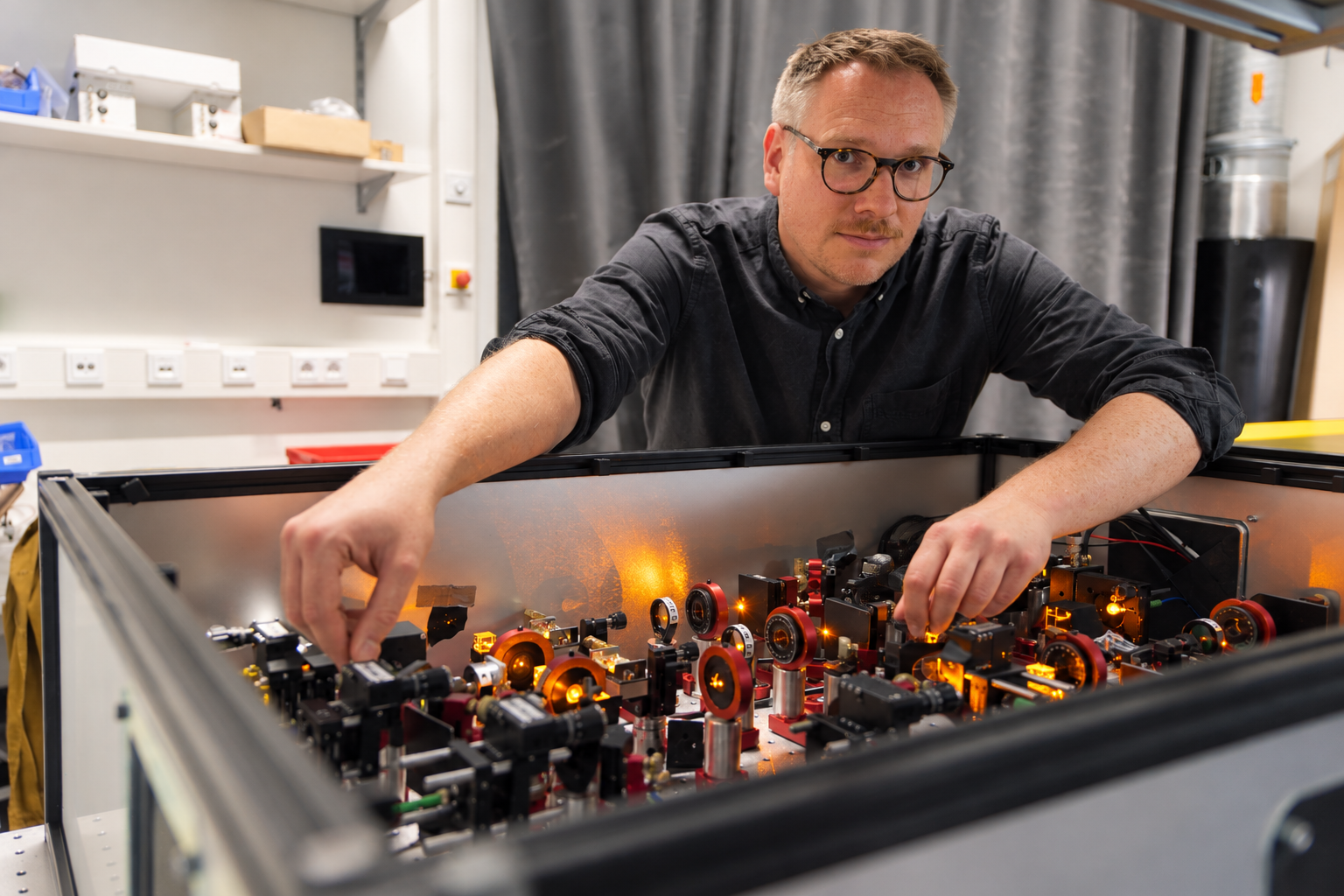
Kai Voges establishes new research group on hybrid quantum systems
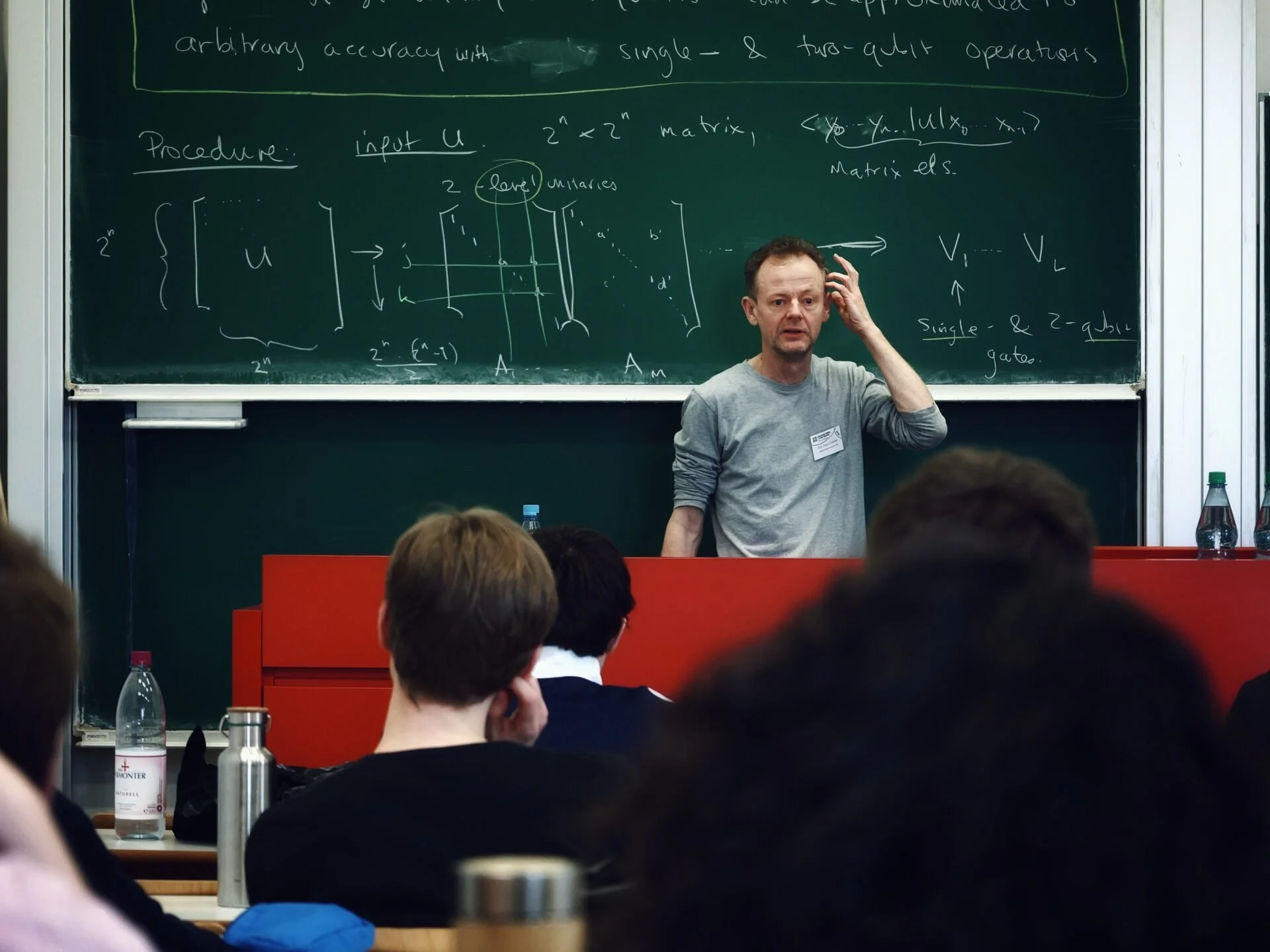
t the heart of the idea are ultra-cold molecules and individual atoms. Kai Voges has acquired the expertise required for this throughout his scientific career to date. As a PhD student at the Institute for Quantum Optics in Hanover he assembled molecules from individual cooled atoms.
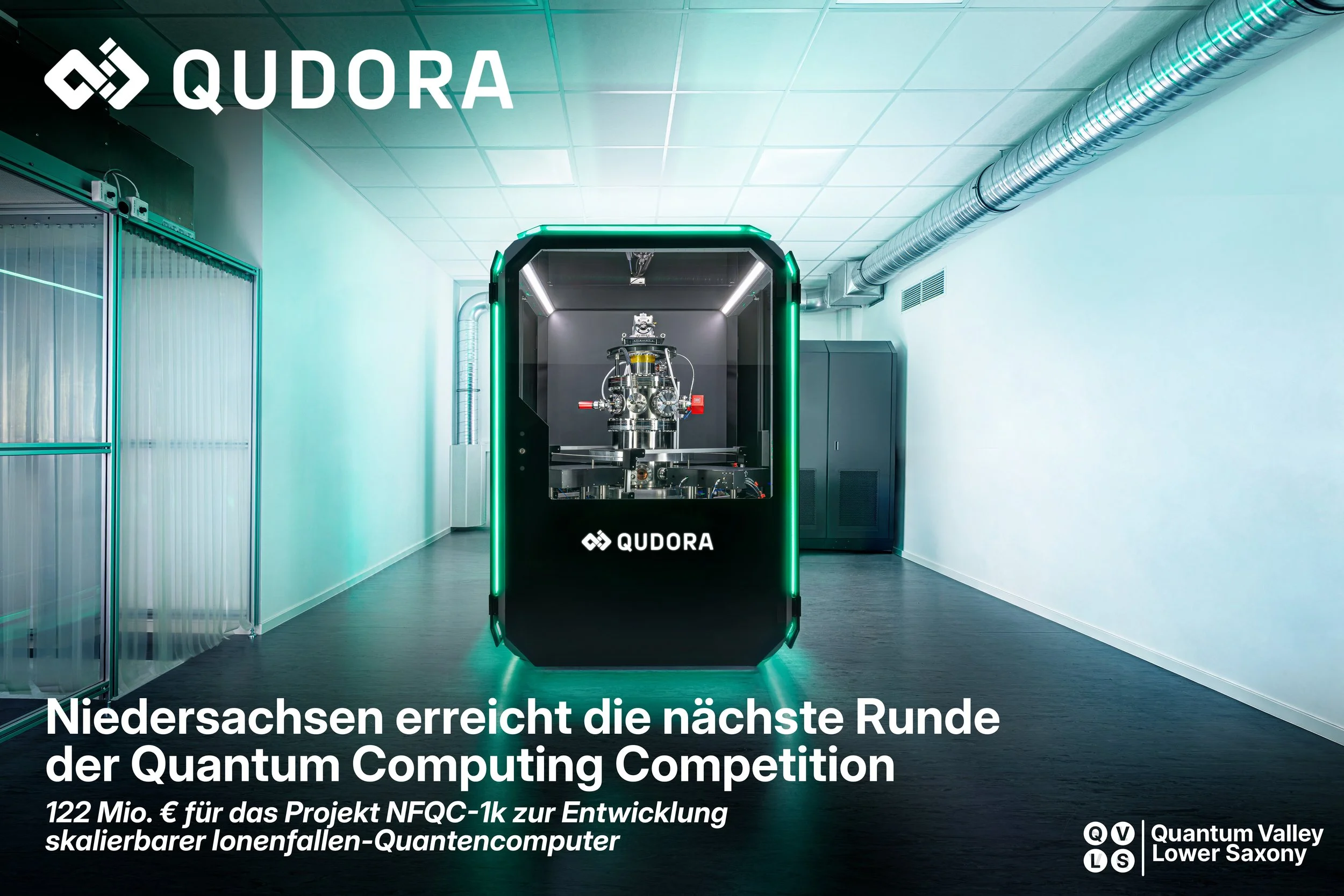
Lower Saxony Reaches Next Round of the Quantum Computing Competition
QUDORA Technologies, a Lower Saxony spin-off of the Quantum Valley Lower Saxony, and its consortium have reached the next stage of the Quantum Computing Competition launched by the German Federal Ministry of Research, Technology and Space (BMFTR). Following a successful evaluation of the project outline, the consortium has been invited to submit a full proposal for the NFQC-1k project.
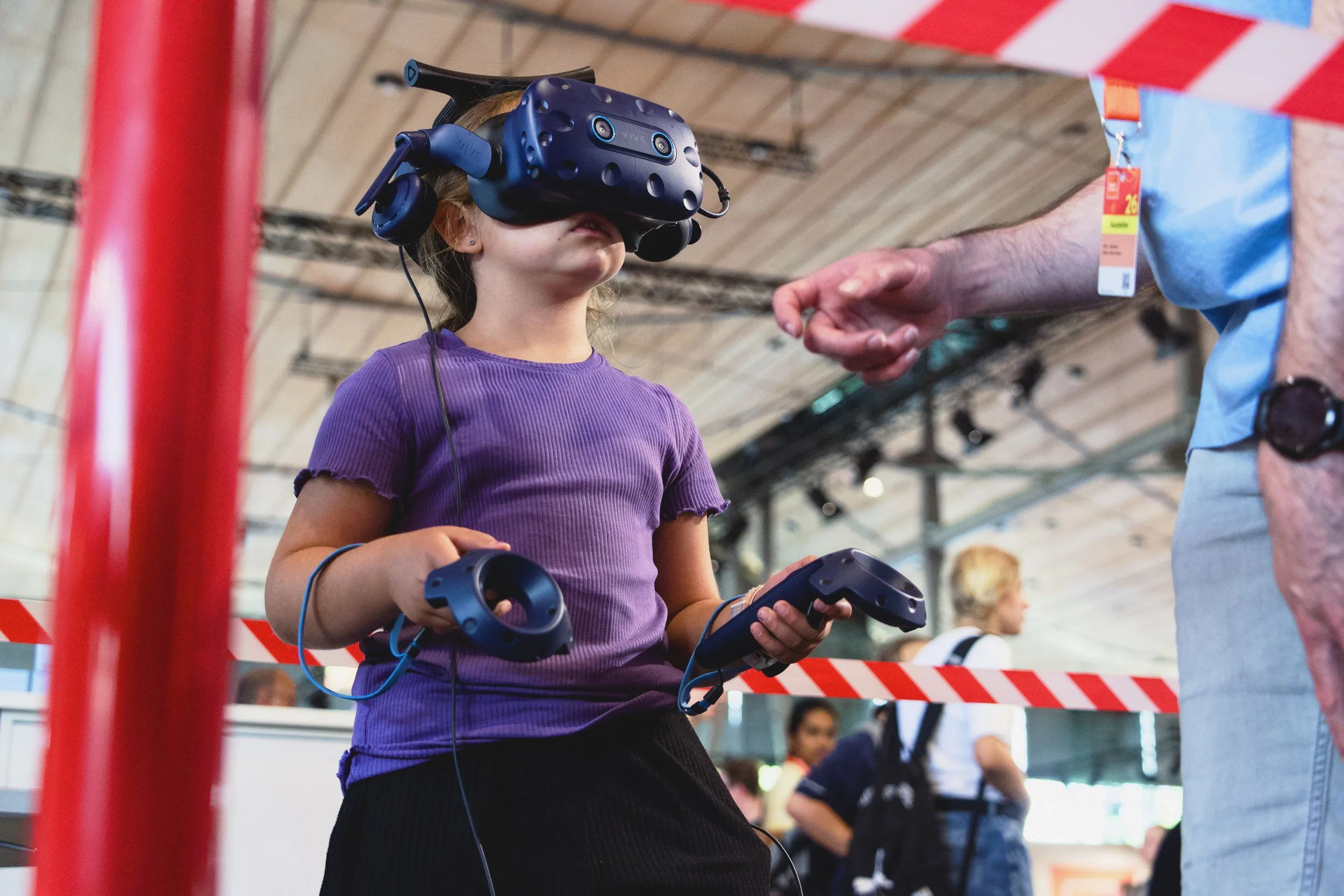
The Future of Quantum Technology is nine years old
Last week, we were at IdeenExpo GmbH 2026 in Hannover, and something stayed with us. A child stood in front of our ion trap demonstrator and asked: "But how does it know where to stay?" That is the kind of question that, if nurtured correctly, becomes a PhD thesis, a startup, or a breakthrough.
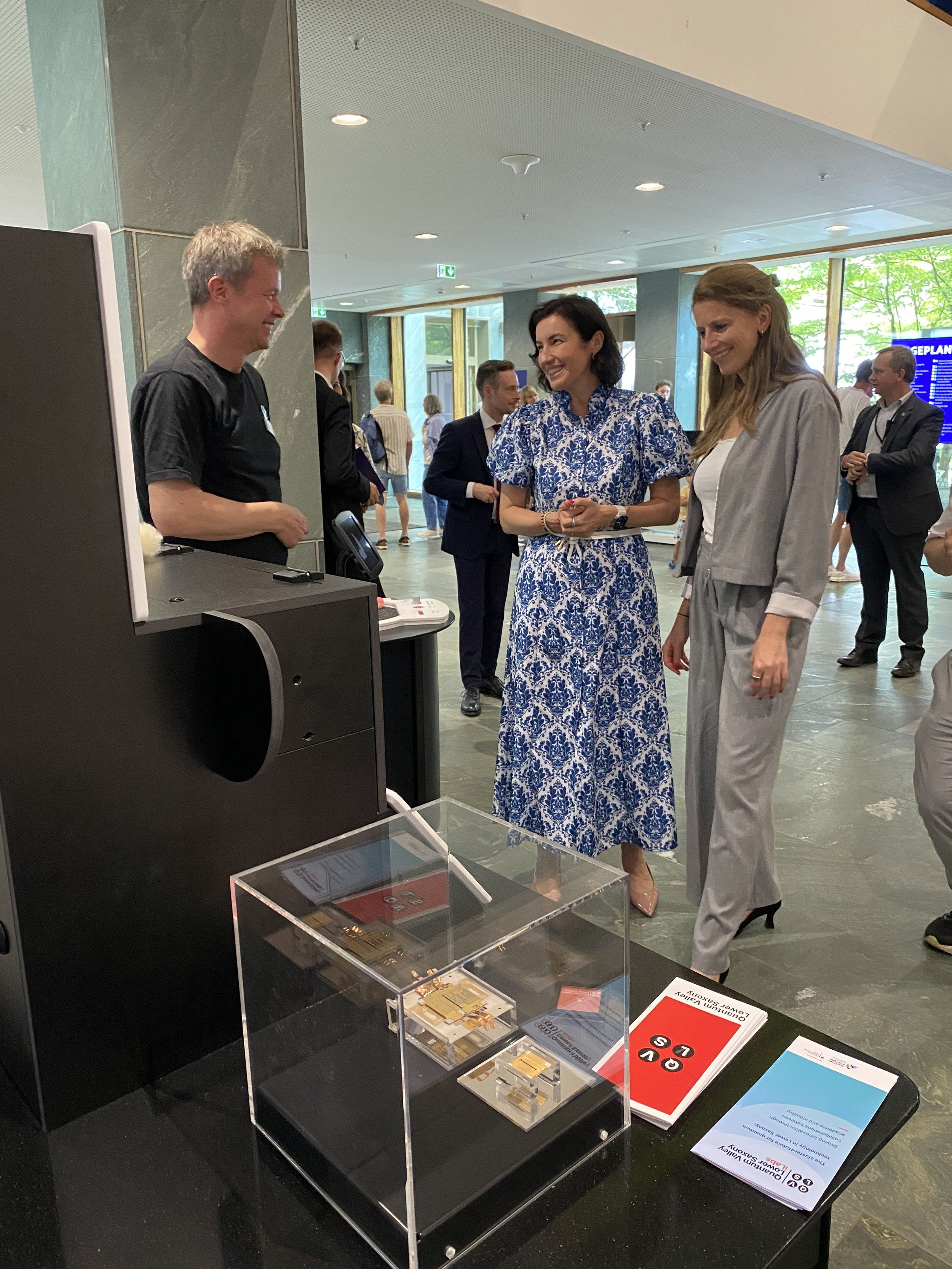
Minister Dorothee Bär visits QVLS-iLabs
Last weekend, #clusters4future QVLS-iLabs was represented at the BMFTR in Berlin, bringing two hands-on ion trap exhibits from phaeno gGmbH to the heart of the capital. Both demonstrators showed visitors one of the most fascinating things you can do in a physics lab: trap electrically charged particles and hold them in place using nothing but electric fields. The exhibits drew a steady stream of curious visitors across both days, with questions ranging from the very basic to the surprisingly technical.
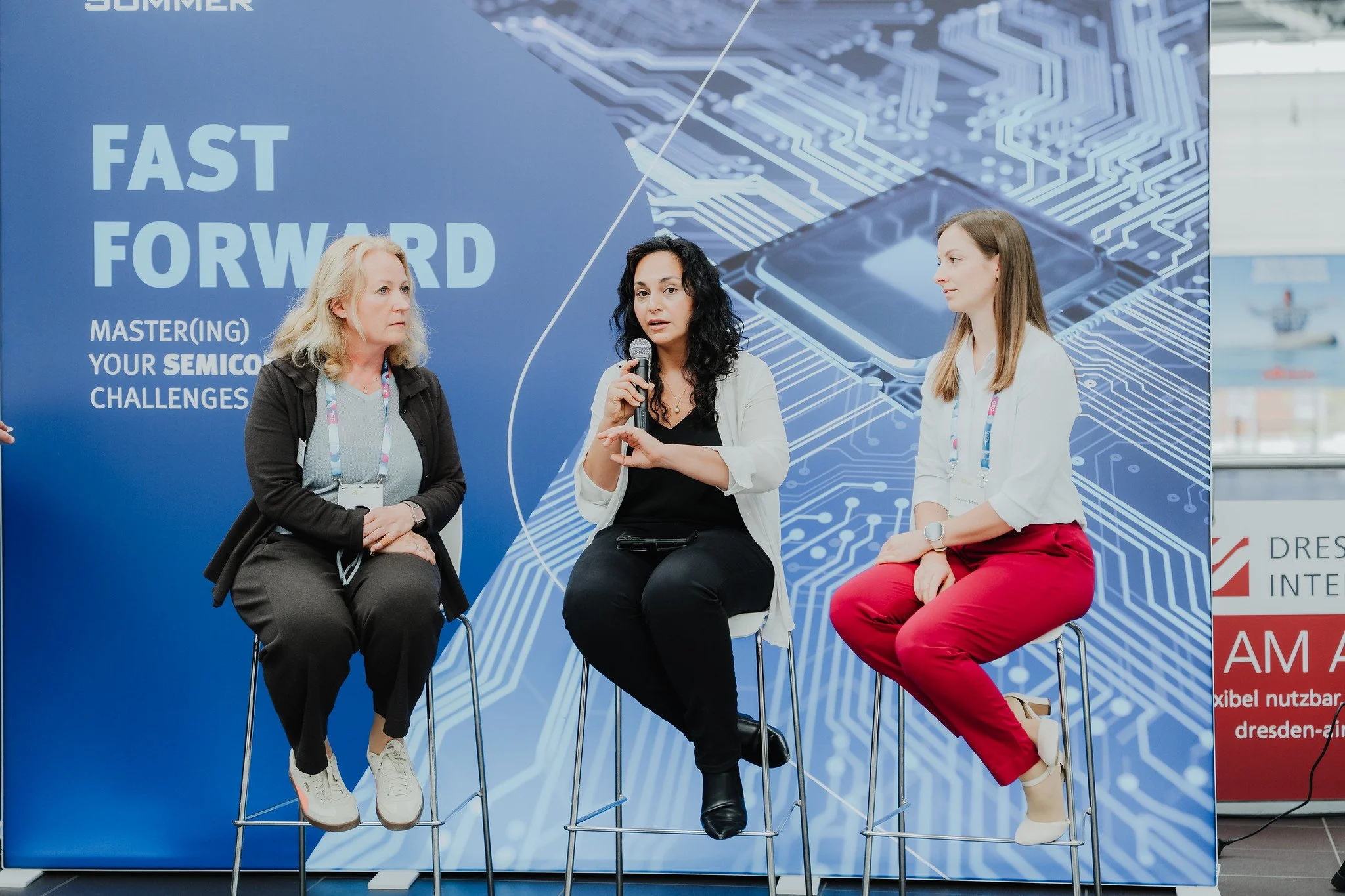
Quantum Computers don’t run on Magic
They run on chips. And that simple fact is bringing two of Germany's most innovative regions closer together than ever before.
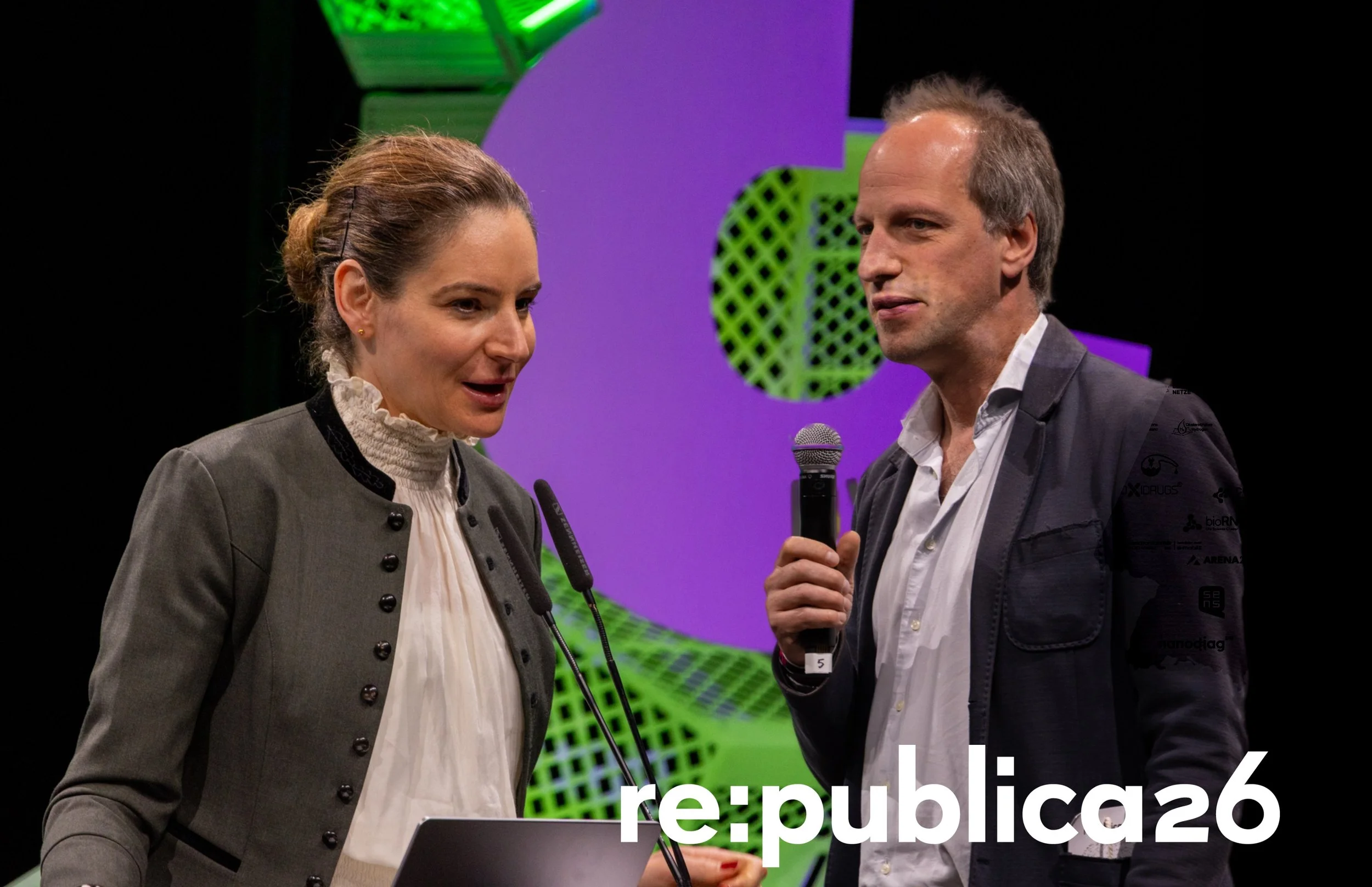
Three Days at re:publica 2026
Berlin delivered. Three days at re:publica 2026, and quantum was very much in the room.
Supported by the BMFTR, QVLS was part of the joint stand of 21 initiatives at stand M2 at STATION Berlin. At our stand, we presented two concrete examples of what quantum technology looks like in practice today: ion trap technology for quantum computing and quantum magnetometry for battery research, the latter developed within the QBattIO project of #clusters4future QVLS-iLabs.
Scientific gold medal for Braunschweig-based chip design
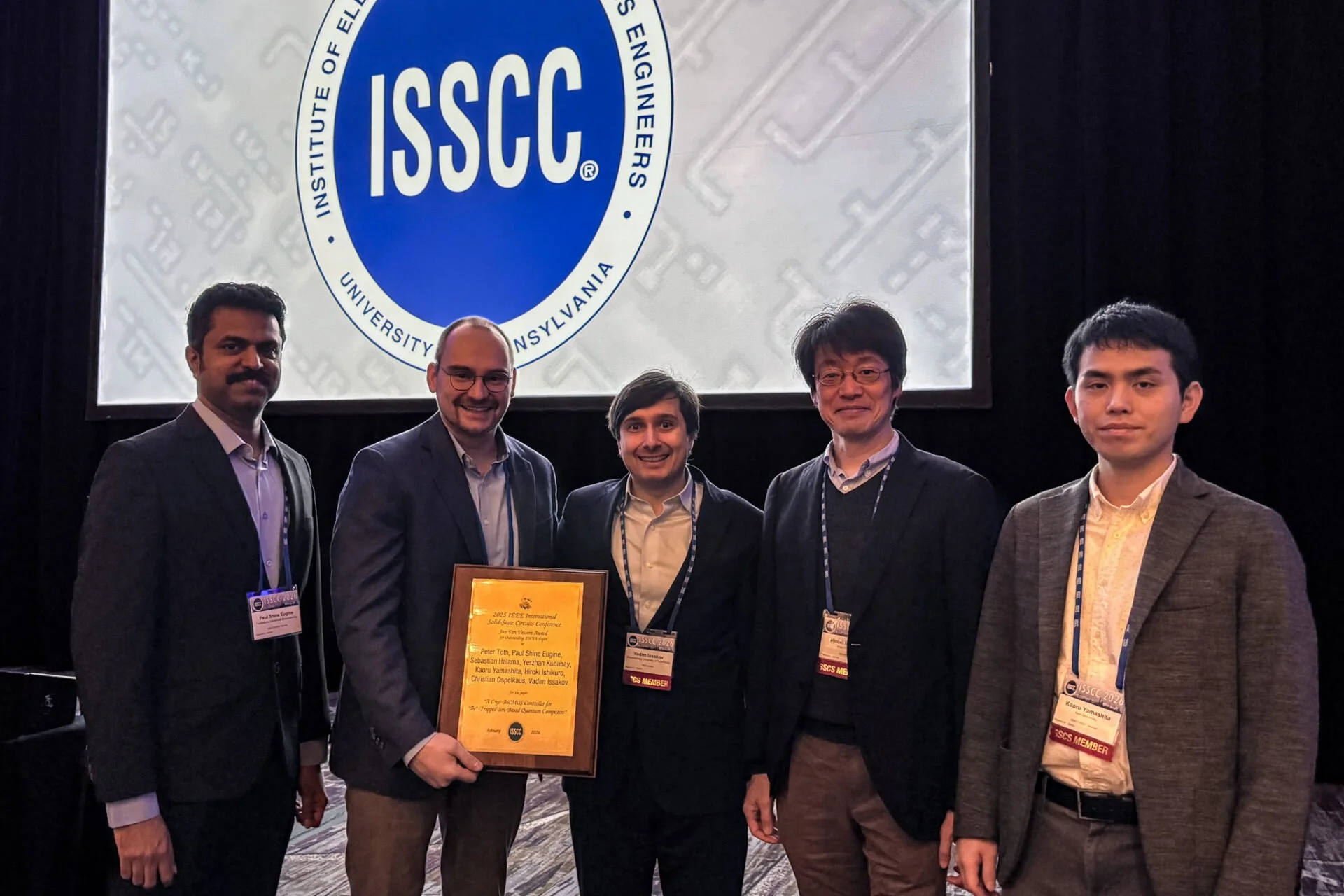
Best European Paper Award goes to Germany
Bringing More Quantum Technology into Application
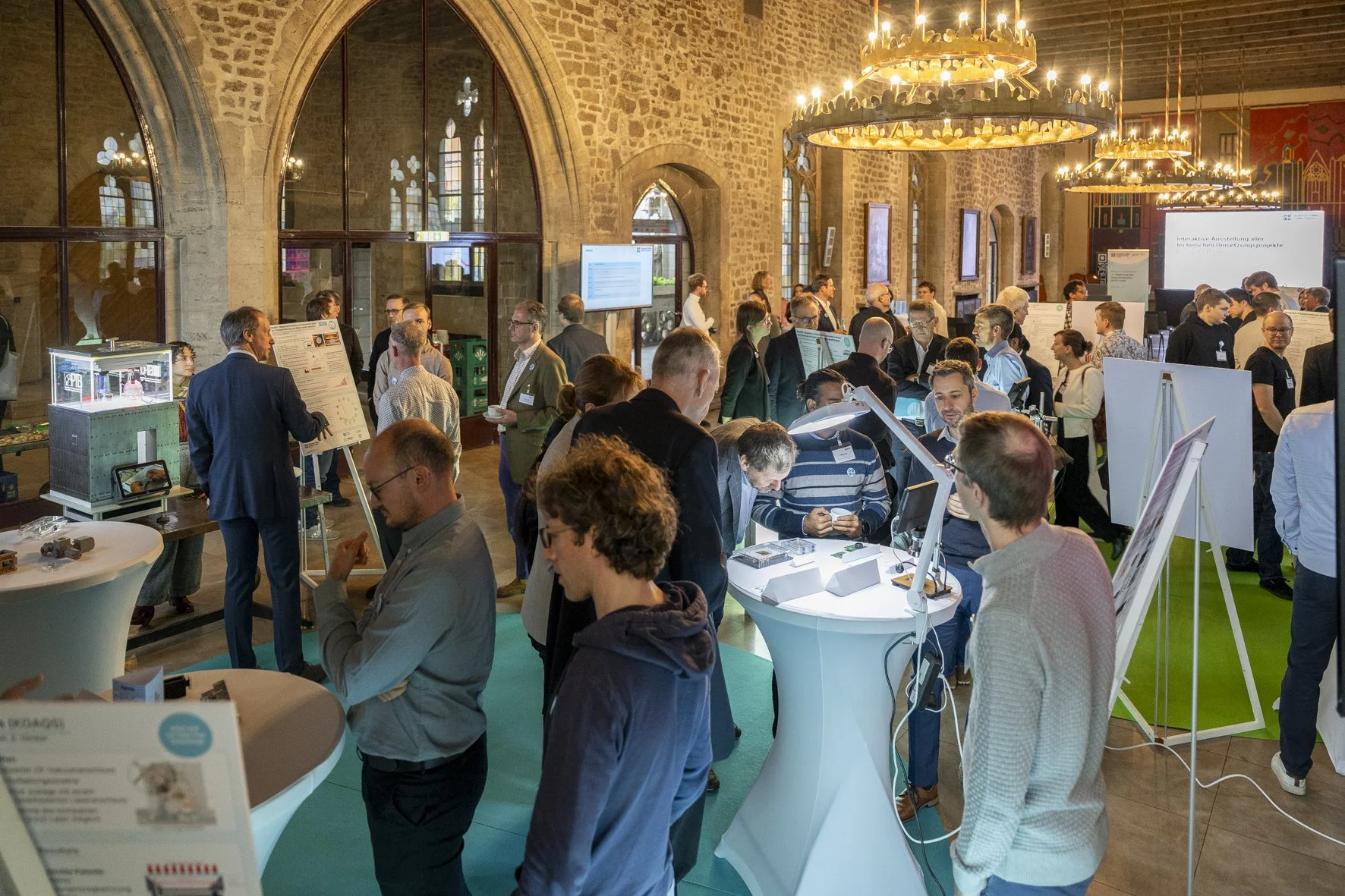
The QVLS-iLabs future cluster enters its second phase with €15 million in funding
15 million euros for a brilliant AI revolution
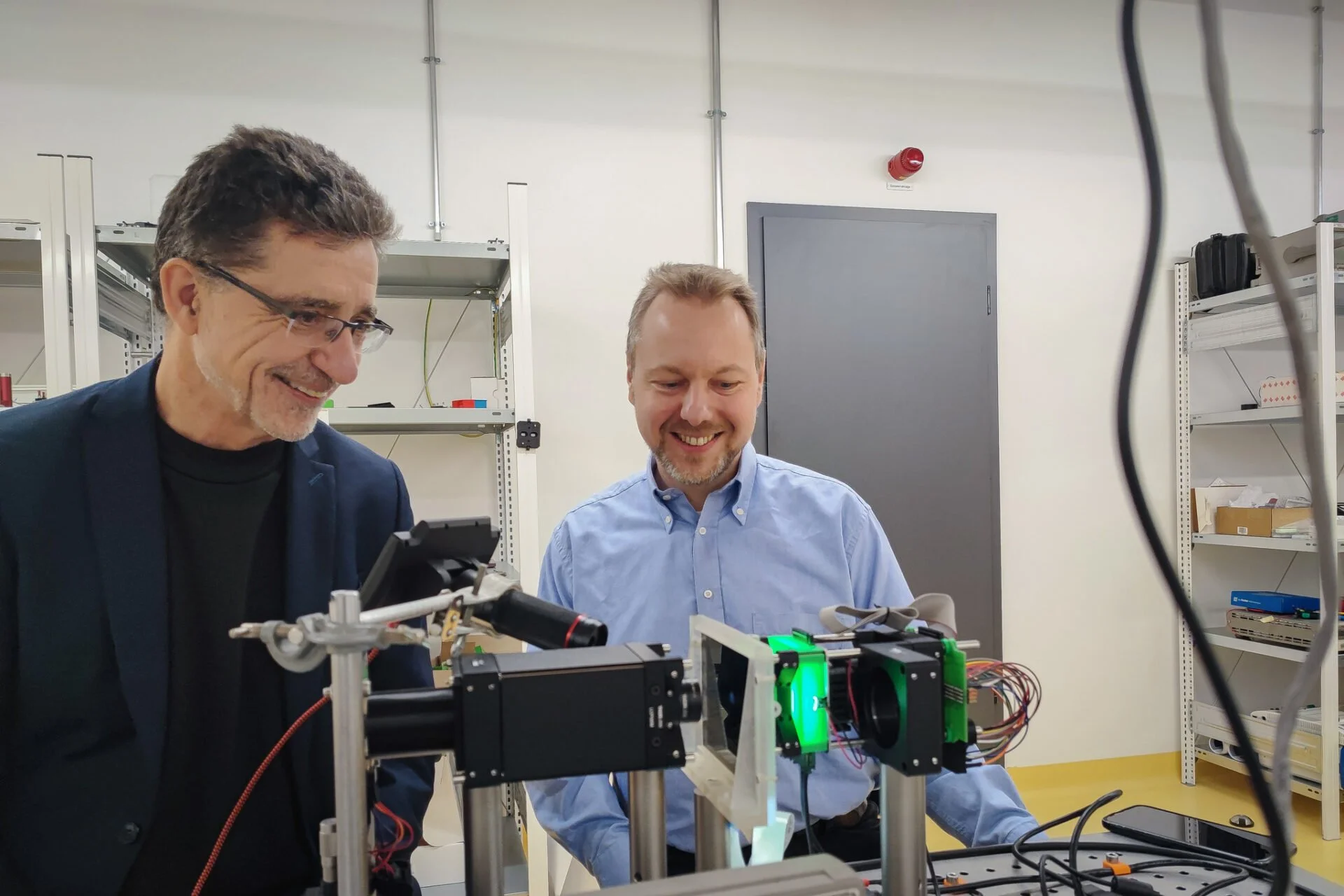
They want to bring light to the world of microelectronics: The state of Lower Saxony and the Volkswagen Foundation are providing around €15 million in funding to the Lower Saxony microelectronics consortium ‘Nitride Technology Centre’ (NTC), which is led by TU Braunschweig. Under the project name ‘Bringing Light to Microelectronics’ (BRIGHT), the consortium is developing, among other things, a unique neuromorphic computer based on LEDs. In the future, this is expected to dramatically reduce the enormous power consumption of AI applications.

Welcome new QVLS member: Worldsensing S.L
A global technology company focused on IoT monitoring solutions for critical infrastructure, construction, and natural environments